
Brand Architecture
When a brand needs a direction
Not every name needs to become a brand, but every name needs to know where it belongs.
When a business adds a line of business, launches a new product line or moves into a new industry, brand architecture sets the relationship between the parent brand and the names beneath it. That way, each step of growth adds value to the shared brand instead of dividing it.

Perspective
A brand rarely comes apart because of one wrong decision. It usually comes apart through many right decisions made in isolation, each time the business adds a product, a line of business or a new market.
Every new name is born for a reason: a product line needs to stand out on the shelf, a line of business needs a voice of its own, a new market needs a more approachable face. But when names grow without a shared order, customers start remembering the product and forgetting the company. Partners can no longer tell whether the businesses are related, and every investment in one name does nothing for the others.
Brand architecture is therefore a decision about how value accumulates: which name leads, which name stands behind another as an endorser, and which name only needs to describe a single product. It is also the foundation for every later brand extension, because only when the structure is clear does a business know whether a new direction should carry the parent name, take a name of its own, or not be launched yet.
For FreshBrand, brand architecture does not make every member alike; it organizes the difference of each member into the strength of one shared brand.
When to start here
Businesses usually turn to brand architecture when their scale has begun to run ahead of the way their names are organized.
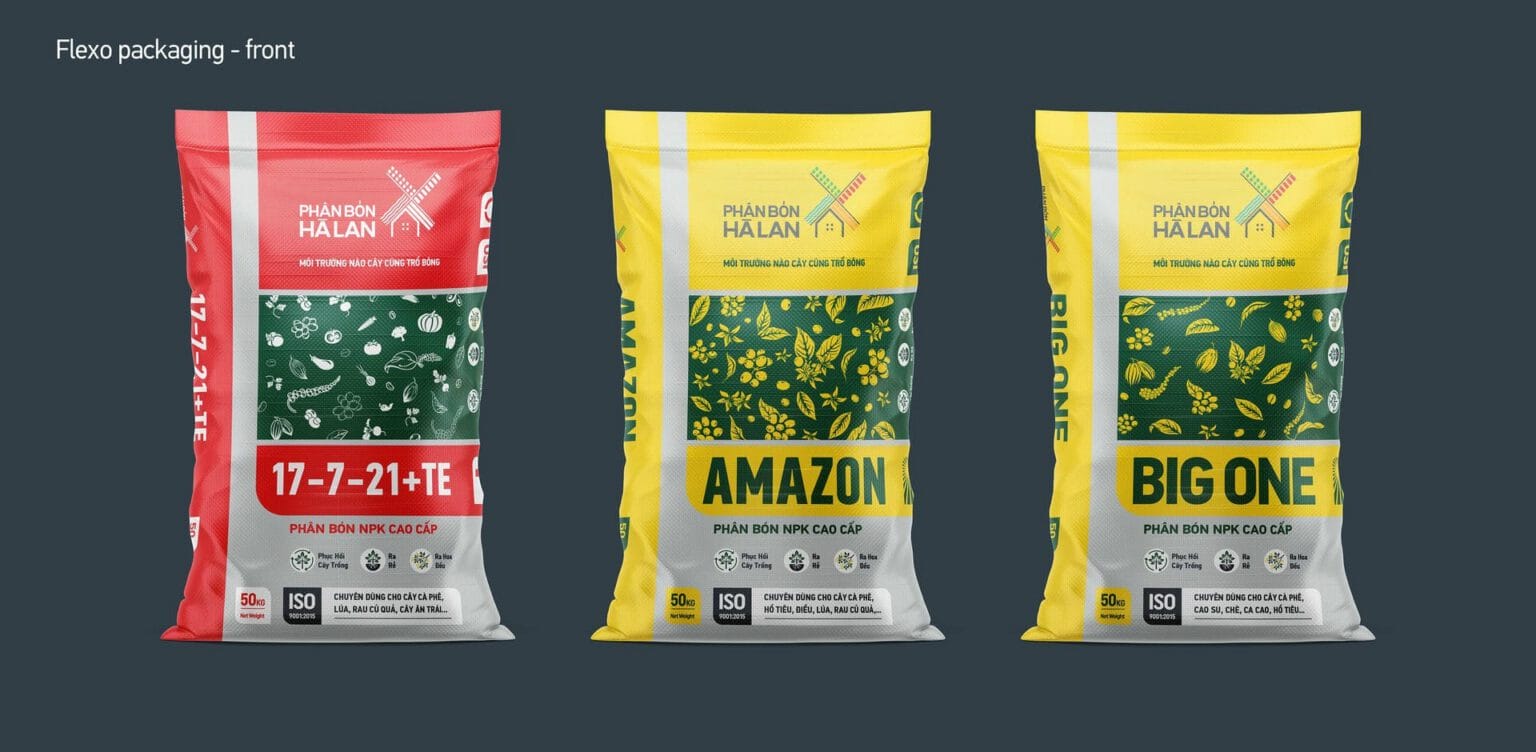
When the product name is bigger than the company name
Each product line carries its own name and logo and appears as an independent brand, so buyers know each product without knowing they belong to the same company.
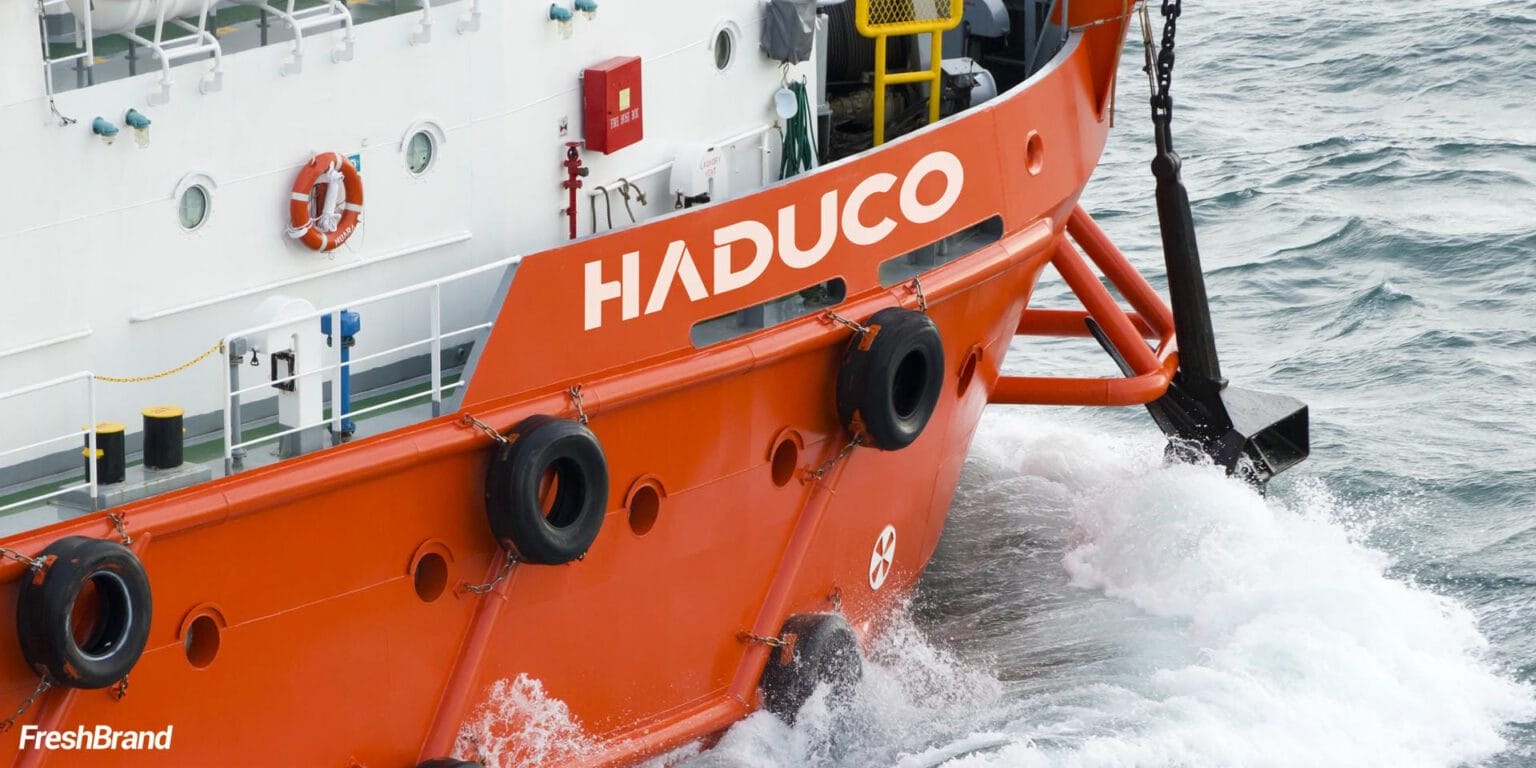
When service lines need a shared home
The business already runs several groups of services in an industry that depends on trust, so it needs a leading brand strong enough for customers to see the same capability behind all of them.

When a business steps into new industries
The business has opened into new fields, but the parent brand still carries the definition of the old industry and is not broad enough to be a home for these new directions.

When the biggest advantage is lost inside the portfolio
One of the business’s product lines carries its most distinctive advantage, but that line has not been set as a clear pillar of the brand structure, so it is easily read as just another part of the portfolio.
How FreshBrand works
Before drawing any diagram, FreshBrand puts every existing name side by side to see where value is gathering and where it is leaking; the role of each name is decided only after that step.
Where is the brand now?
We begin by redrawing the whole portfolio as it actually exists: how many names the business has, where each one stands in customers’ minds, and whether any relationship already exists between them.
Where is value being scattered?
Through research and by observing how customers, distributors and partners refer to the business, FreshBrand finds where value is being scattered. Sometimes a product name overshadows the company name, sometimes the business lines appear as disconnected units, and sometimes the parent brand is not broad enough to hold new directions.
What do we choose?
Brand architecture is a choice about roles. In 2018, the tiNiWorld play-center chain expanded into the tiNiStore shop, tiNiToy toys and the tiNiTV channel. Customers then recognized each name separately rather than a “tiNi family,” so FreshBrand chose tiNi as the parent brand leading the whole ecosystem. Each group of names in the portfolio is placed in one of four kinds of relationship below.
UnifiedOne parent name leads every business, like tiNi with tiNiWorld, tiNiStore, tiNiToy and tiNiTV
EndorsedA sub-brand has a name of its own, with the parent brand standing behind it as endorser
IndependentEach brand stands on its own, with the parent brand stepping back
Product nameA name that tells products apart by use, not a brand of its own
How does the strategy come to life?
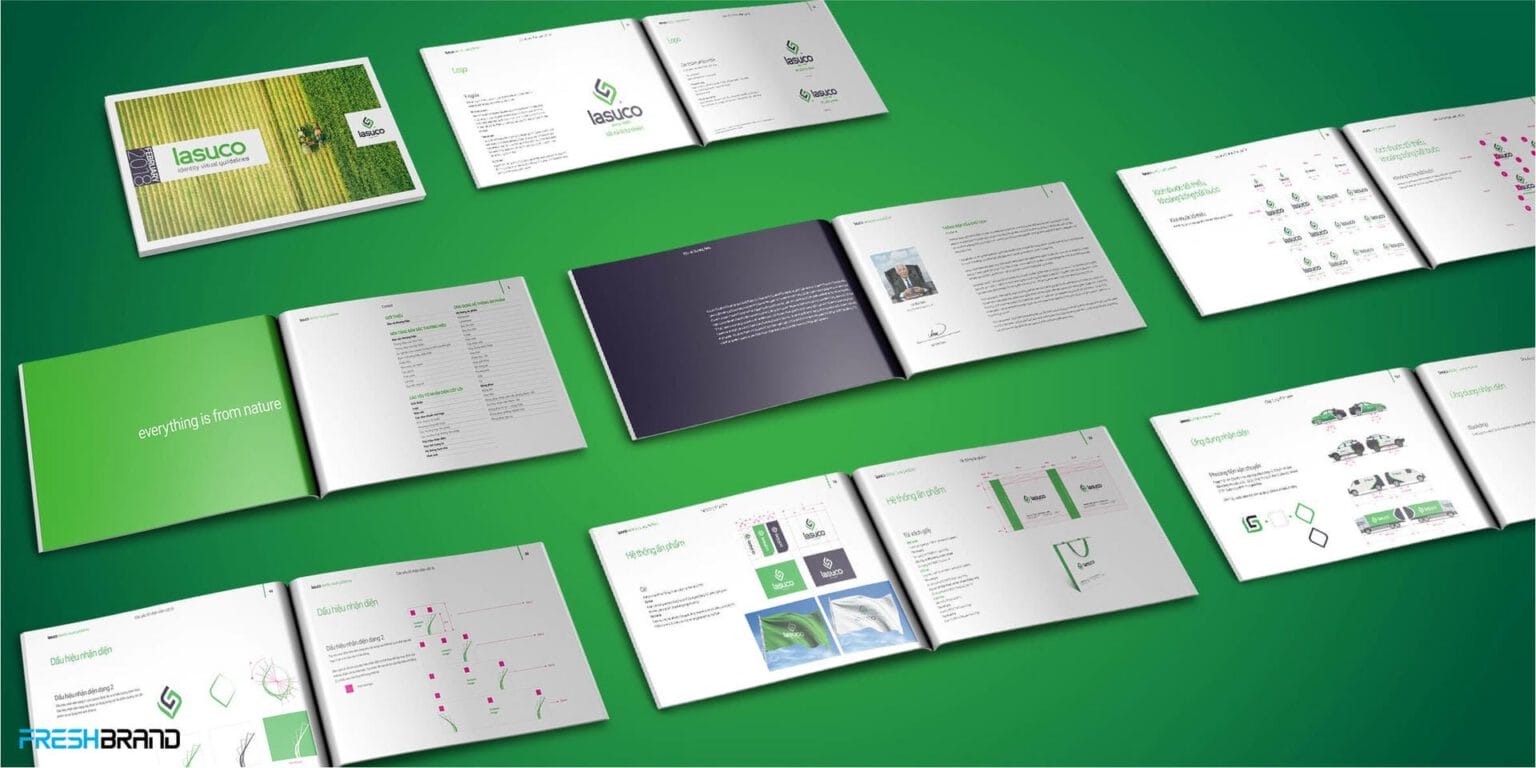
The chosen model becomes a concrete system: a diagram of how the brands relate, naming rules for new labels, a shared identity core with variations for each business line, and a set of guidelines so every new member knows where it belongs.
What will actually change?
A good architecture shows its worth each time a new product or business line appears: value accumulates in the shared brand instead of being divided, and the business can grow without starting over.
What the business keeps
Every name created later has its place ready thanks to the assets below, prepared to fit the size of the business’s portfolio.
- A full map of the names in use and the real role each plays in customers’ perception.
- The chosen architecture model, with a diagram of how the parent brand, sub-brands and product names relate.
- Naming rules and principles for launching new brands and product lines later on.
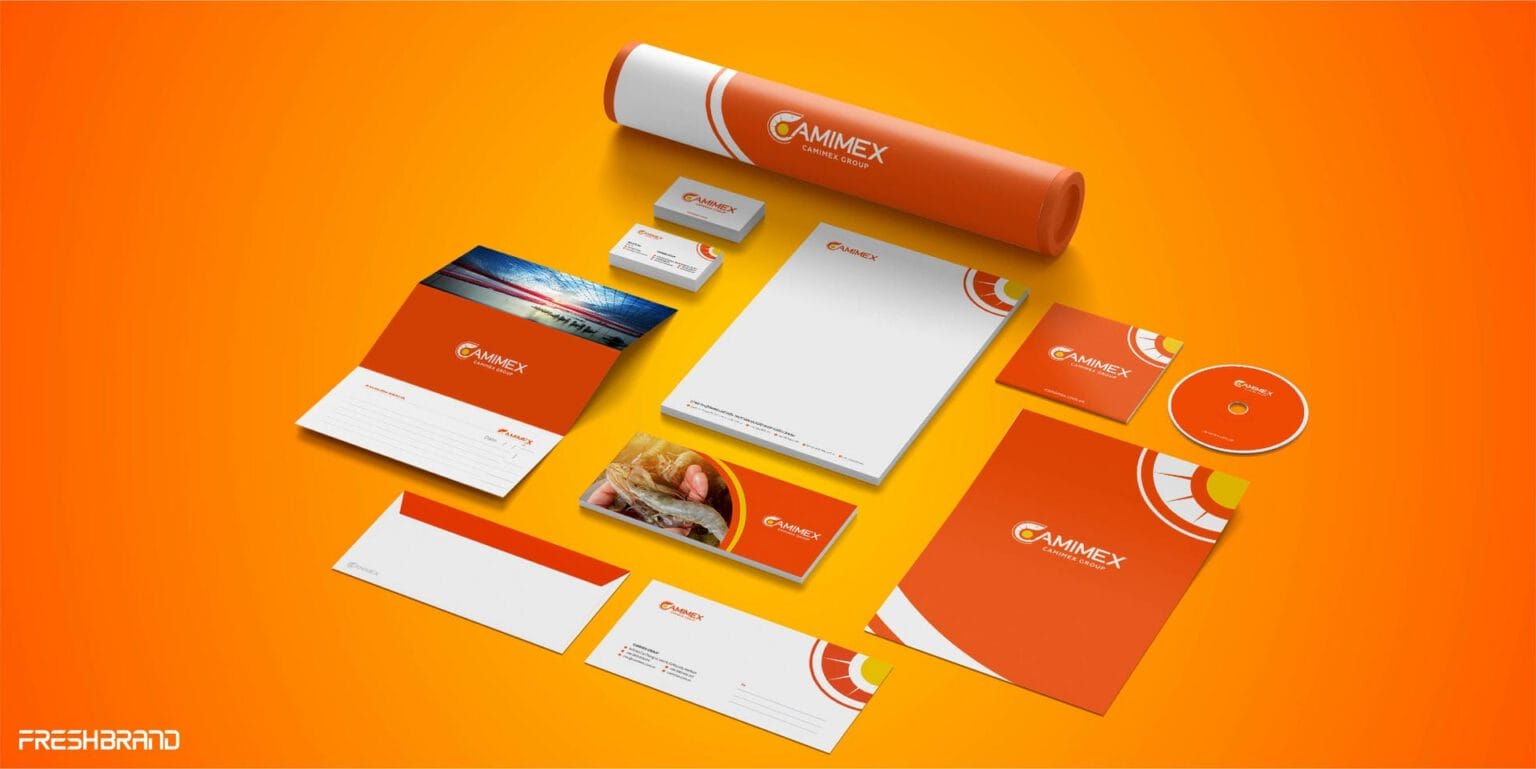
- A shared identity core and variations for each business line, when the members need to be recognized as a family.
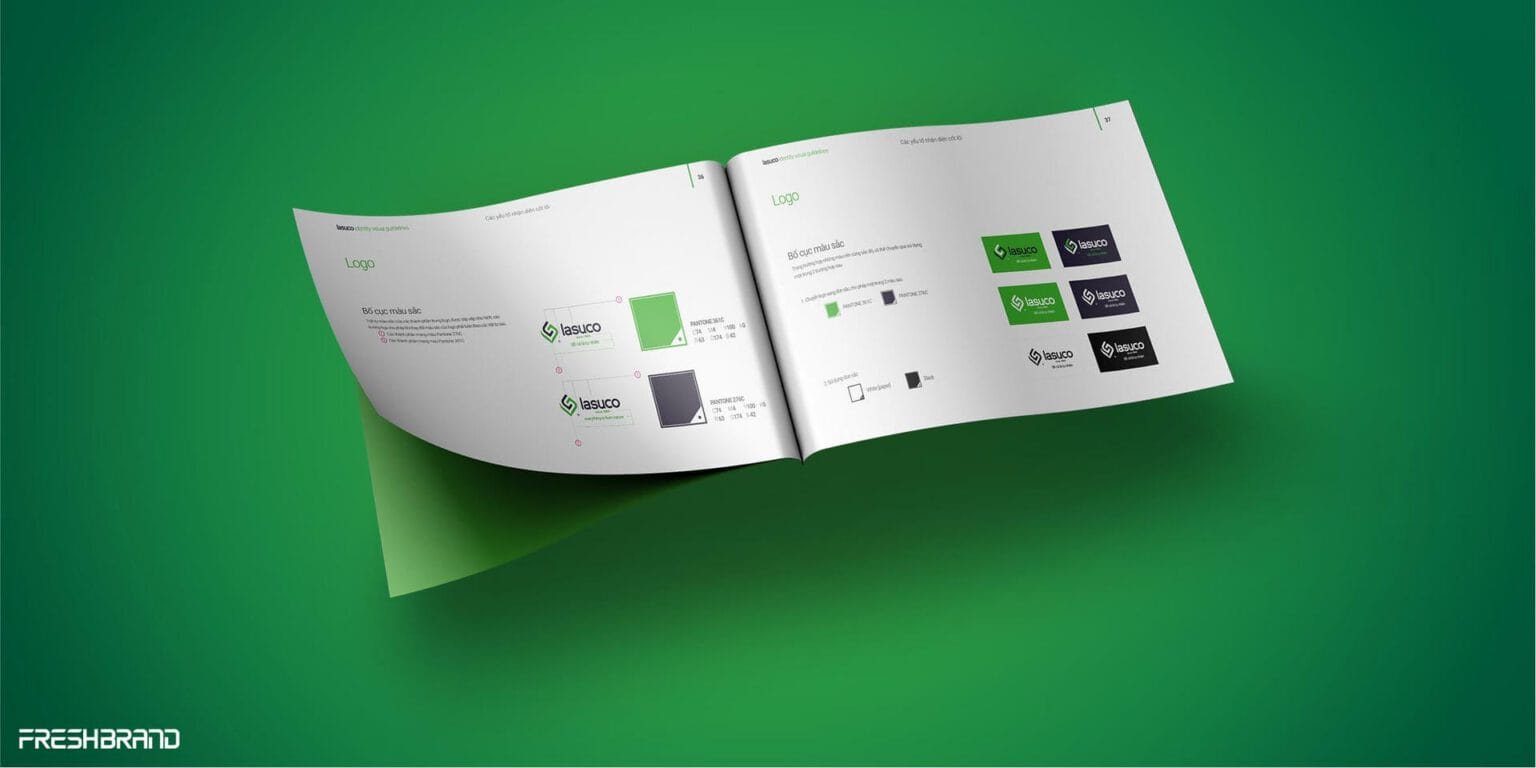
- Brand guidelines for the parent brand and each member, so the system runs consistently as the portfolio keeps growing.
Let's talk
Is your business facing a similar question? Send a request to talk with FreshBrand, or download the portfolio to see more of our work.

In practice
Phan Bon Ha LanBrand architecture, 2019
One core brand instead of many labels competing to be heard
By 2019, Phan Bon Ha Lan had a modern NPK plant, urea liquefaction technology and specialty fertilizer lines, some of which had already won a place in the Central Highlands. Yet AMAZON, BIG ONE, SEVEN, HUMAX RONG BIEN, MEGA and WINDMILL each carried its own logo and appeared as an independent brand, in a market where fertilizer is usually compared on price first.
“Every product needs a name of its own to show what it is for, but it does not have to become an independent brand.”
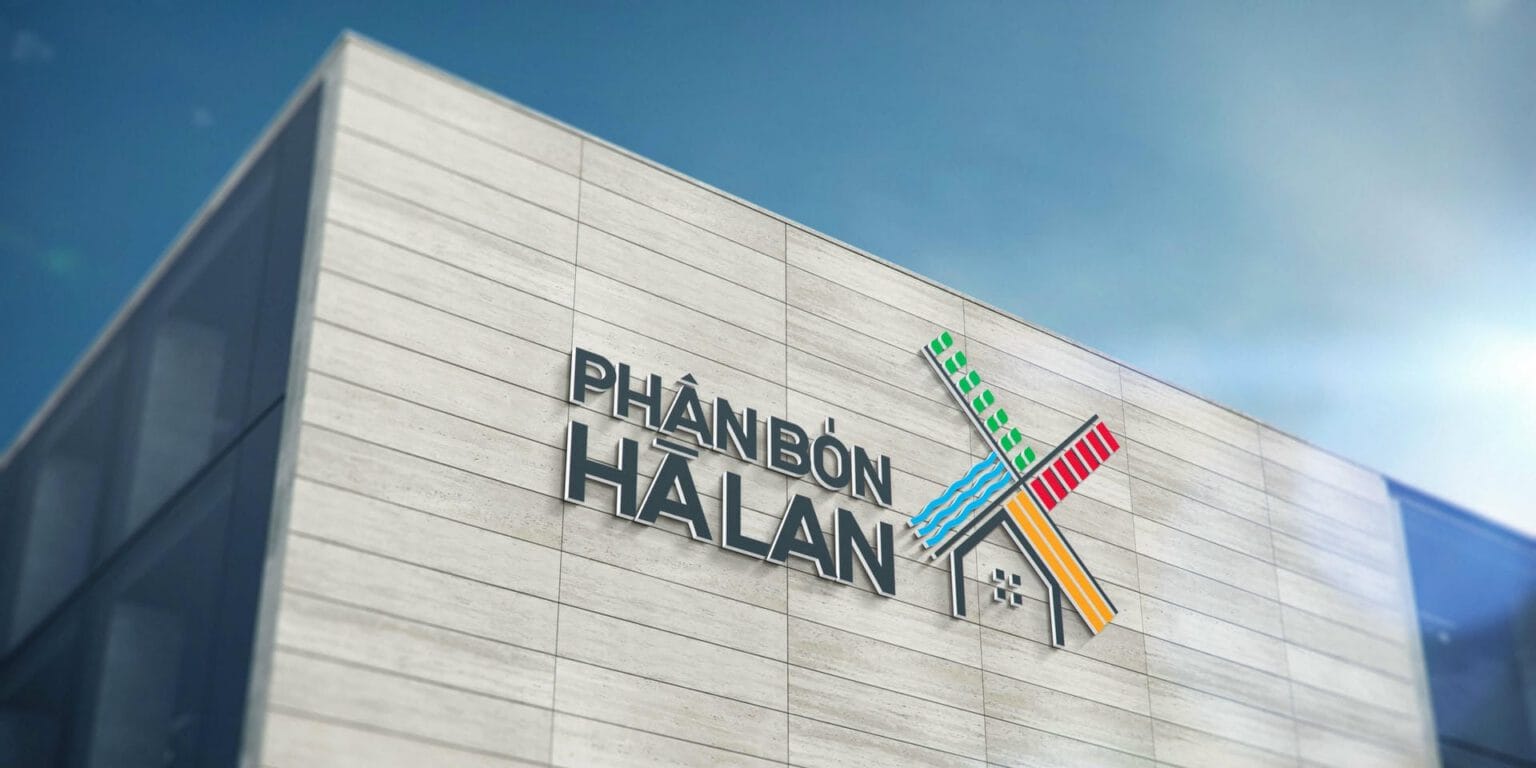
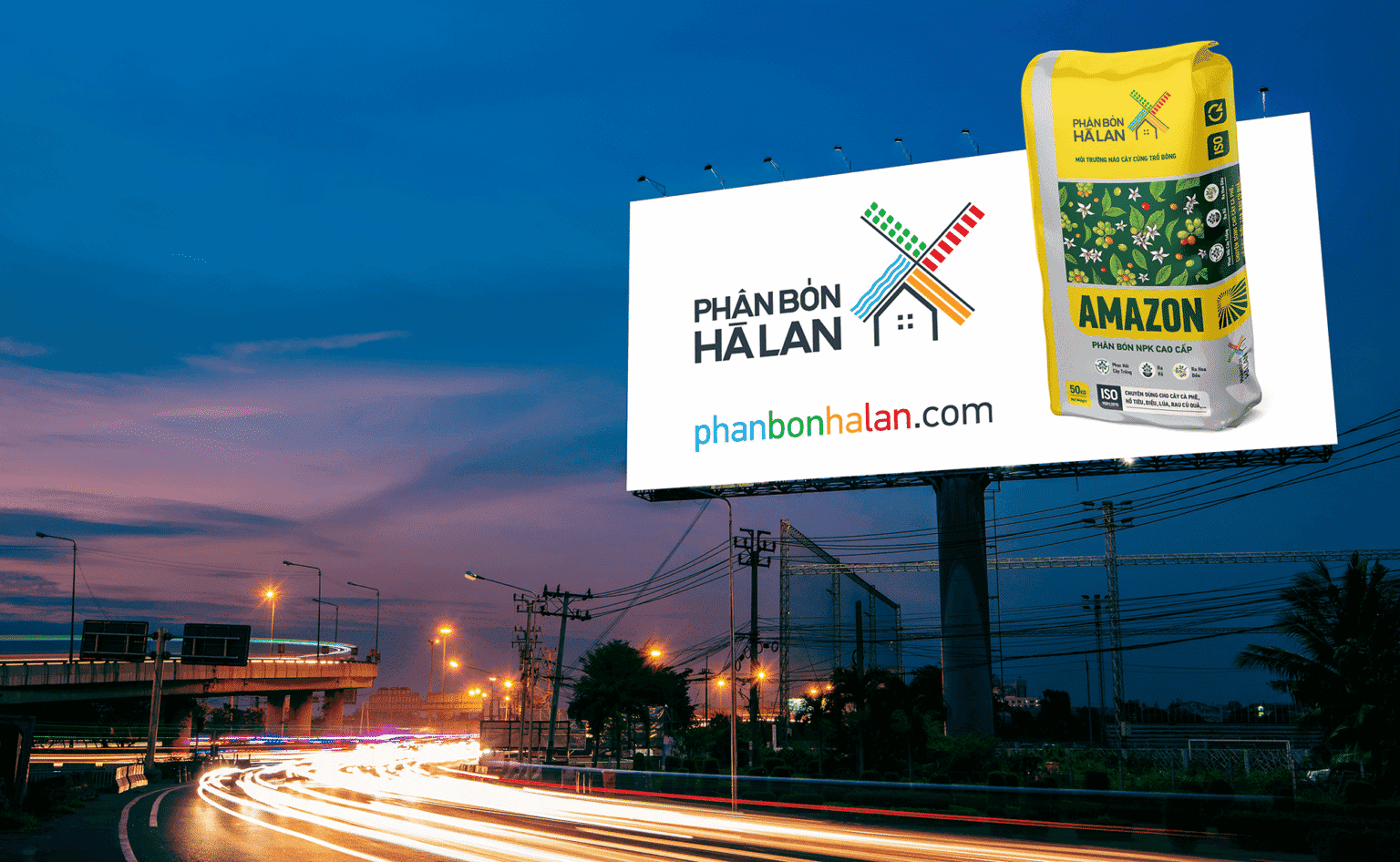
FreshBrand chose a unified model: Phan Bon Ha Lan represents the whole portfolio, while the product lines return to their proper role as product names. The identity system, packaging and the message “Fertilize right, fertilize well, prosper with farmers” were reorganized so that each product keeps its own character and together they strengthen the reputation of the shared brand.
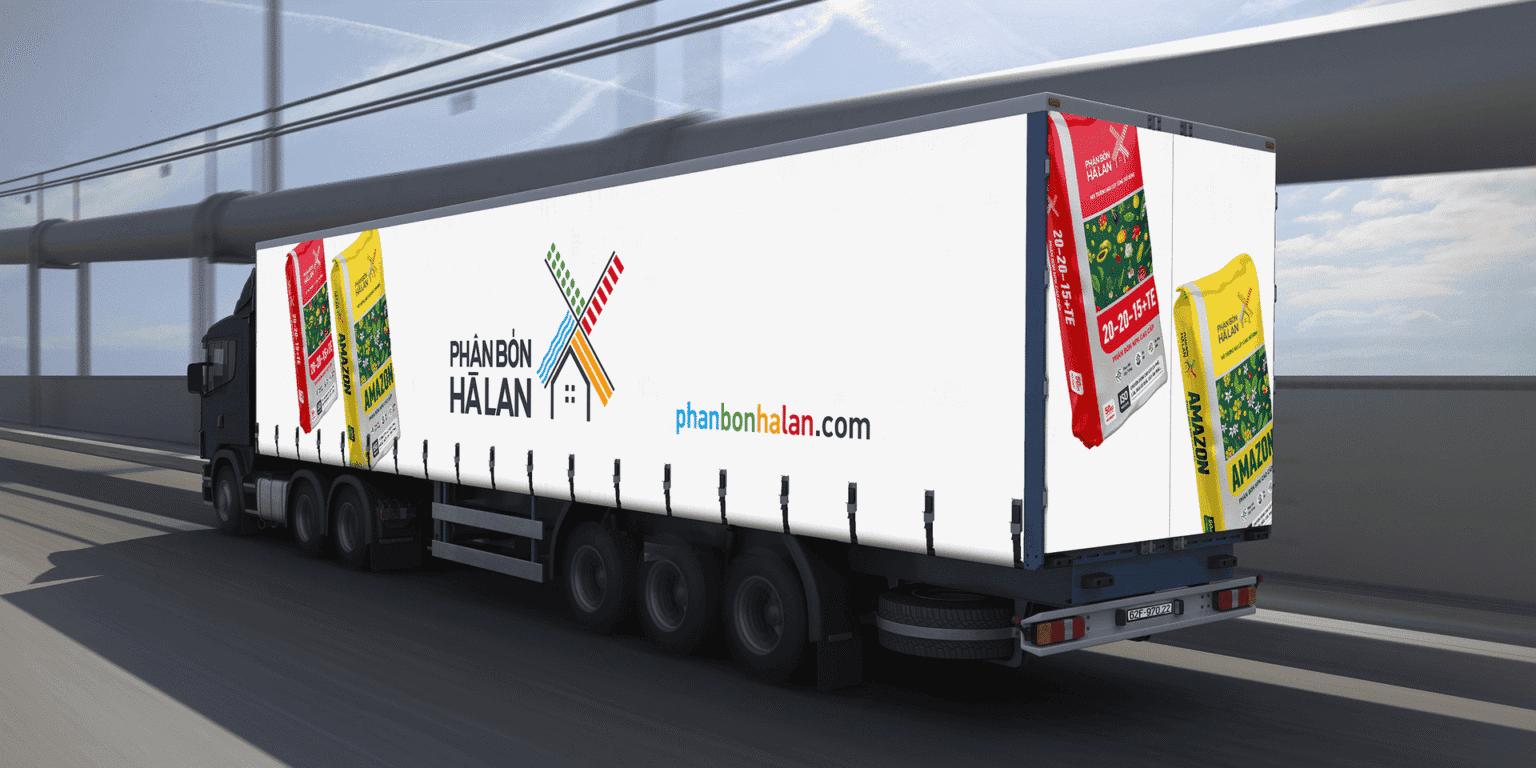
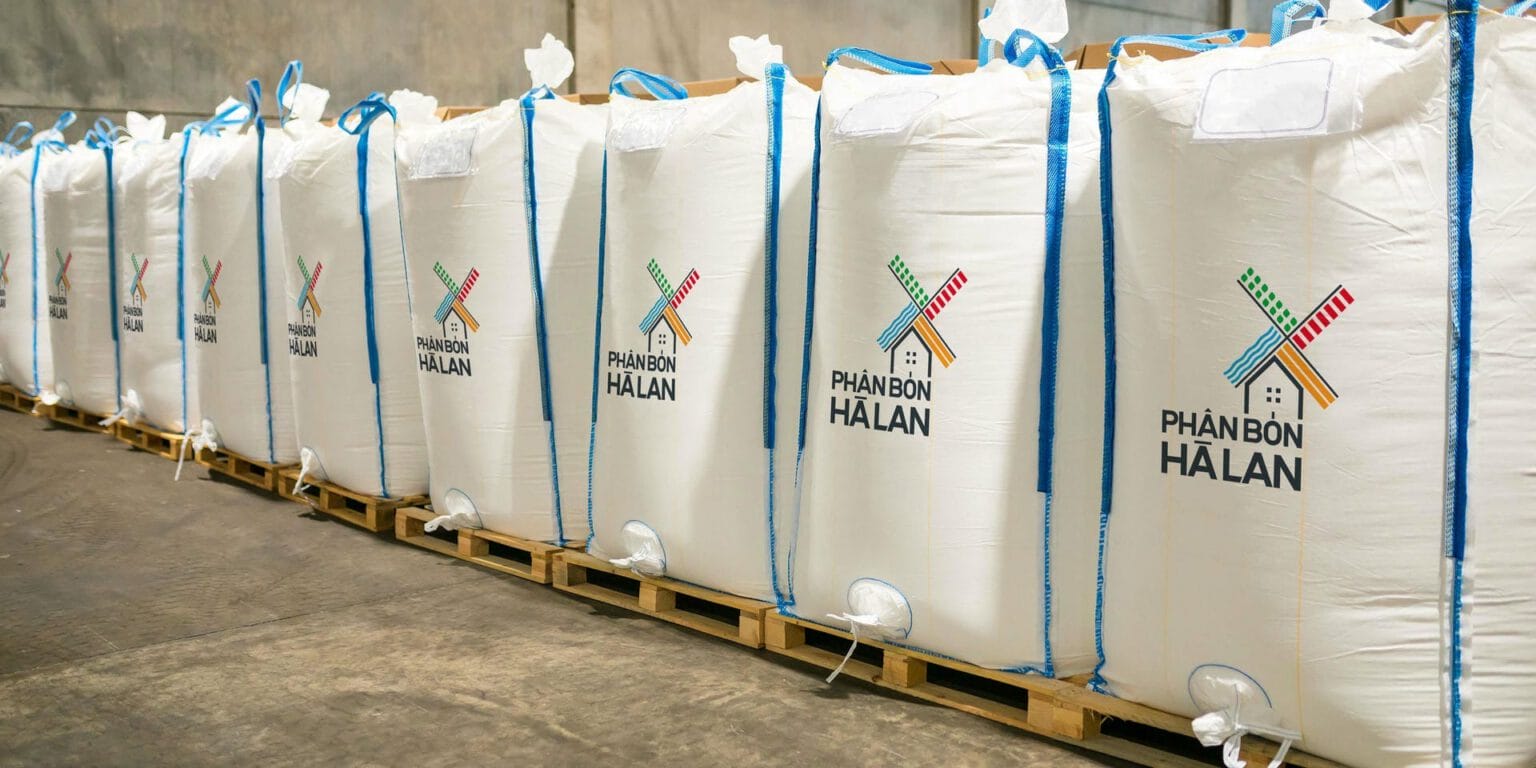
“When advantages are organized into one unified system, each product carries its own value and also helps build the strength of the PHAN BON HA LAN brand.”
The question behind it
Once the role of each name is clear, the next questions are how to create new names and how the whole brand family will be recognized as one.
- Brand Naming
When new sub-brands and product lines need names that fit their roles. - Brand Identity Design
When the parent brand and its members need a shared identity core to be recognized as a family. - Brand Guidelines
When the system needs to be written into standards so each business line can run consistently on its own.
FreshBrand capabilities
Strategy
When a brand needs a direction
- Brand Consulting
- Brand Strategy & Positioning
- Rebranding
- Brand Architecture
- Brand Platform
- Brand Naming
Identity
When a brand needs to be recognized
Expression
When meaning needs to take shape
Experience
When a brand needs to be felt
Communication
When a brand needs to be understood
Start with FreshBrand
Send us the problem, get a point of view.
You can send a request today, or download the portfolio to share with your leadership before we talk.