
Rebranding
When a brand needs a direction
Not every brand needs to change everything, but every brand needs to change exactly what is holding it back.
When a business has moved well beyond the image its brand carries, rebranding starts by finding what really needs to change: sometimes the identity, sometimes the positioning, sometimes even the name. The aim is for the value already there to be seen as it deserves, in line with the new position.

Perspective
A brand rarely goes out of date because of failure. It usually happens quietly, out of old successes, once the things that once carried the business forward are no longer questioned.
Over the years, a business may have invested in technology, upgraded its products, added lines of business or entered new markets, until almost everything inside looks different. Outside, though, the market still uses the old name, files the company in the old category and chooses it for the old reasons. The financial statements make that gap hard to see; it surfaces when the business starts being compared on price, has to rely on others to be recommended, or is not yet invited to the table where its real size belongs.
Because the gap lies in how the market understands the business, rebranding does not stop at a new logo: a logo, a pack or a campaign is only the part of the brand that shows on the outside. Some brands need just a new identity so that their image catches up with their size, some need repositioning so the market sees their real strength, and some need renewal across the board, down to the name. Only once a business has named what is holding its brand back can it tell what to keep and what to renew.
For FreshBrand, rebranding is also a decision about what not to touch: the values behind past success need protecting while everything around them changes.
When to start here
Each business comes to rebranding from a limit of its own, and each limit calls for a different degree of change.
When the image has not kept up with the scale
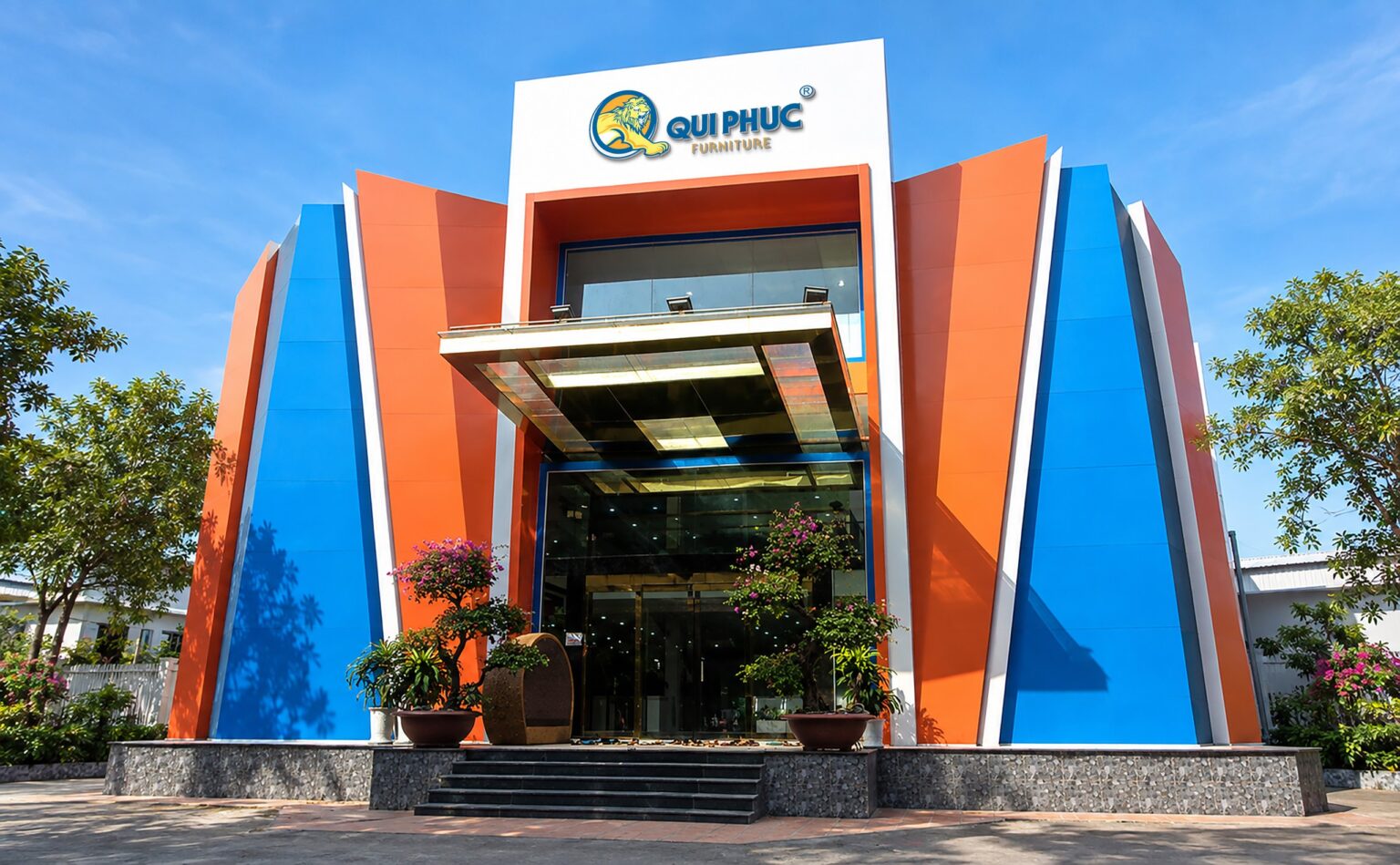
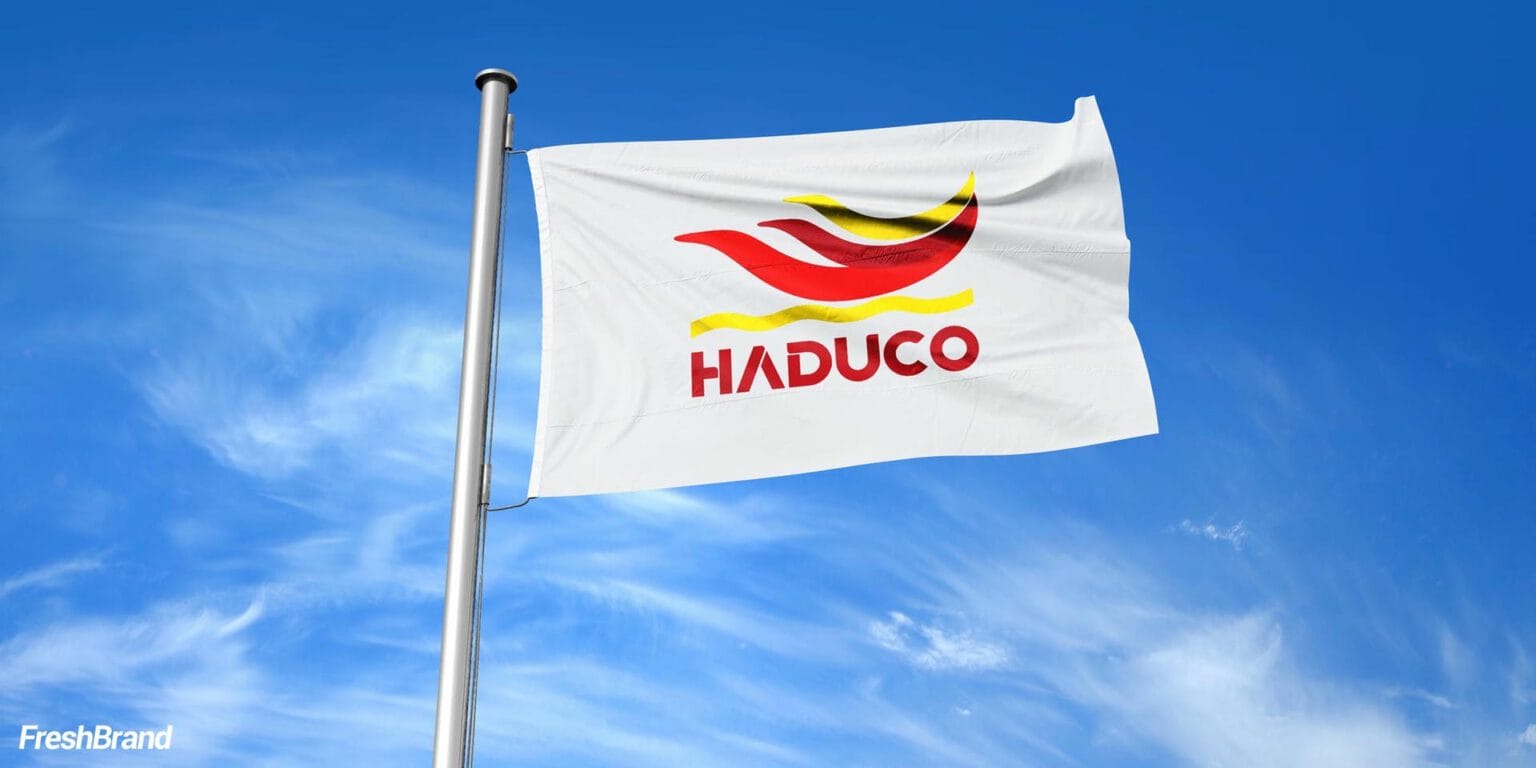
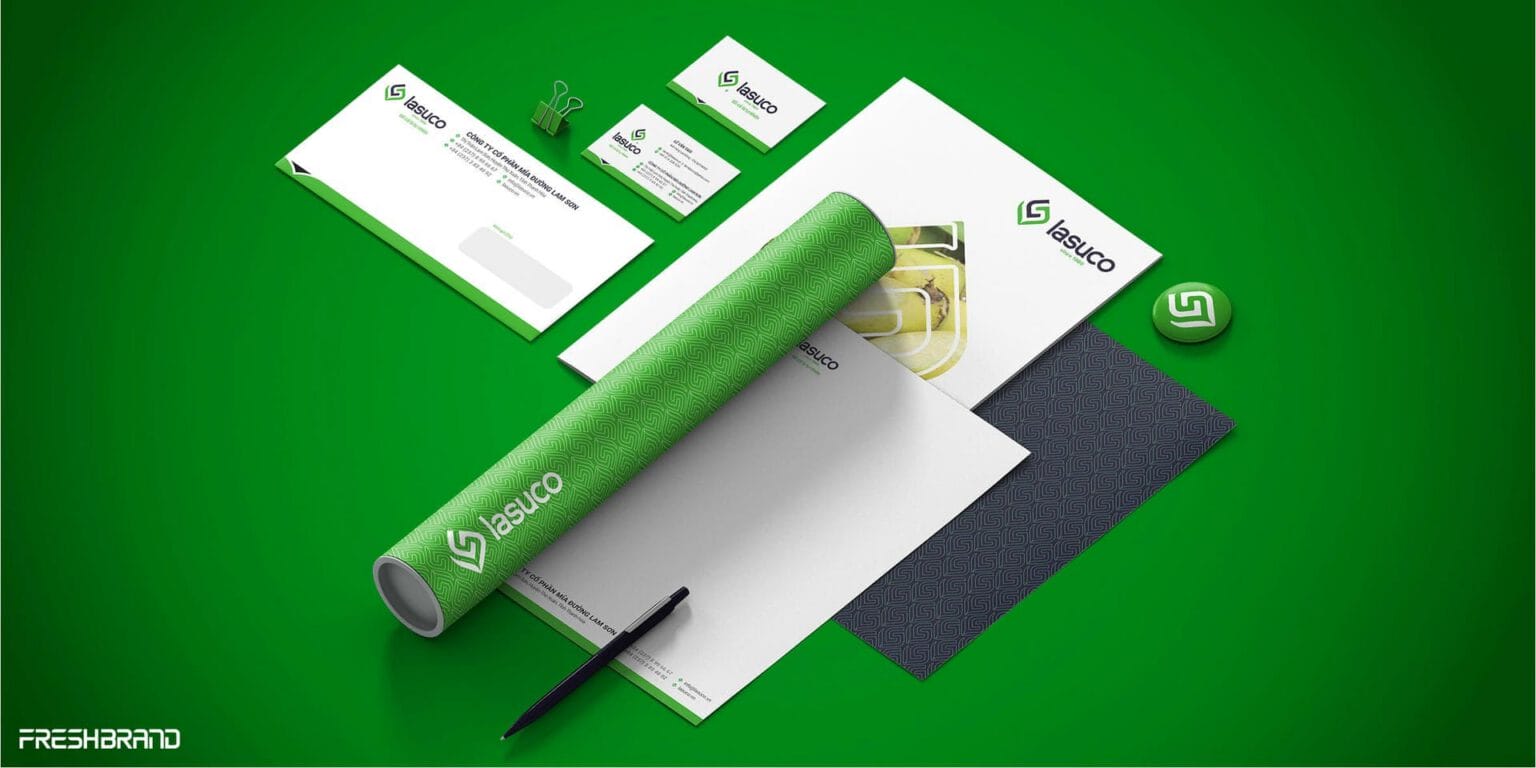
The factory had grown, the product range had widened and distribution covered the whole country, yet the brand was still seen as a manufacturer with a lot of goods. What needed renewing was the identity, so that the image could catch up with the scale the company already had inside.

When a distinctive advantage has not become an identity
The company owned an advantage that is hard to copy, from its shrimp-and-mangrove farming model to international organic certification. Yet the market still placed it among processors and exporters in general, where price easily becomes the reason to choose.

When real strength has not been seen
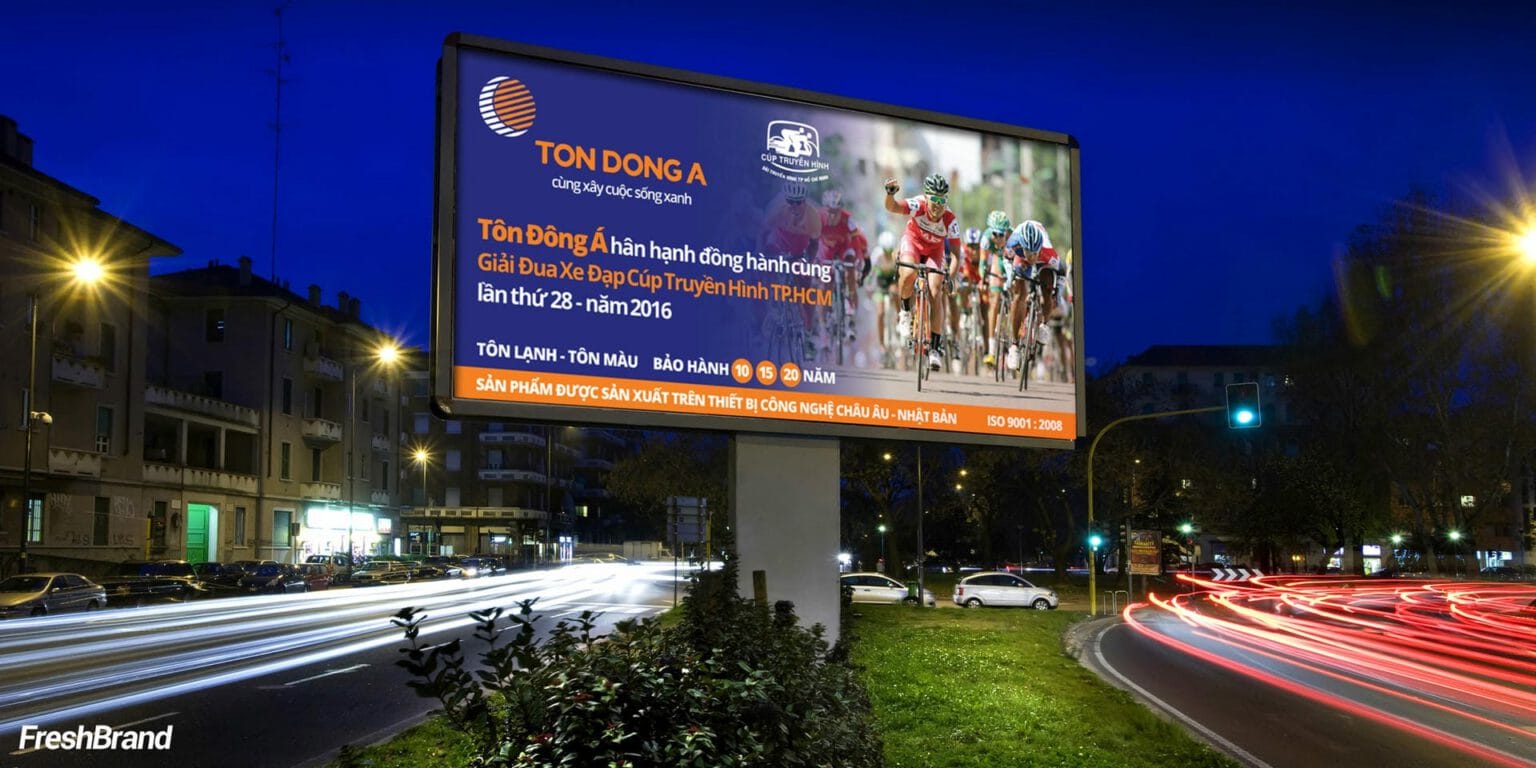
The company already had the technology, the quality and the production capacity, but at the point of sale buyers still decided on the seller’s recommendation rather than because they knew and trusted the brand.
When the strategy has changed but the image has stayed behind
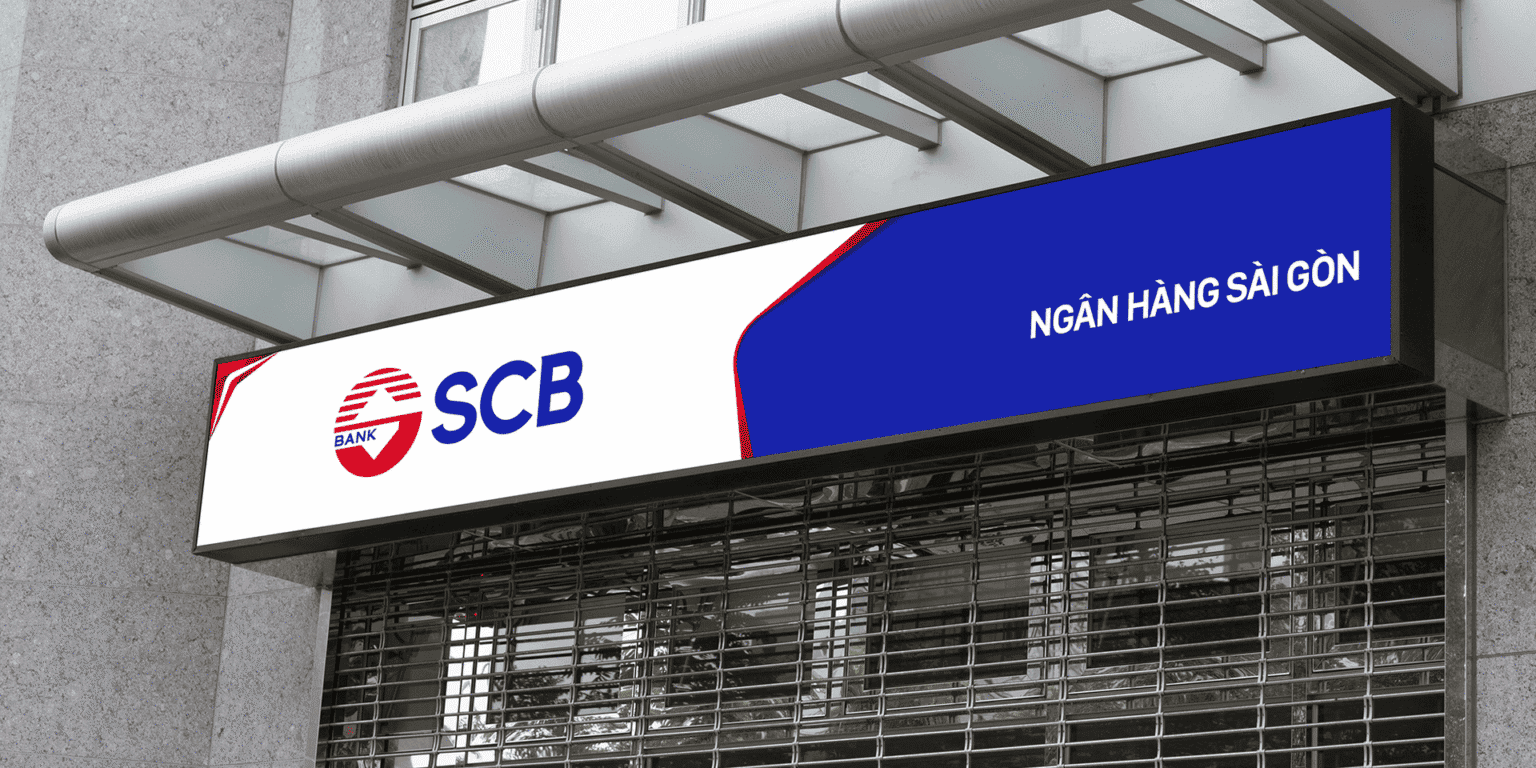
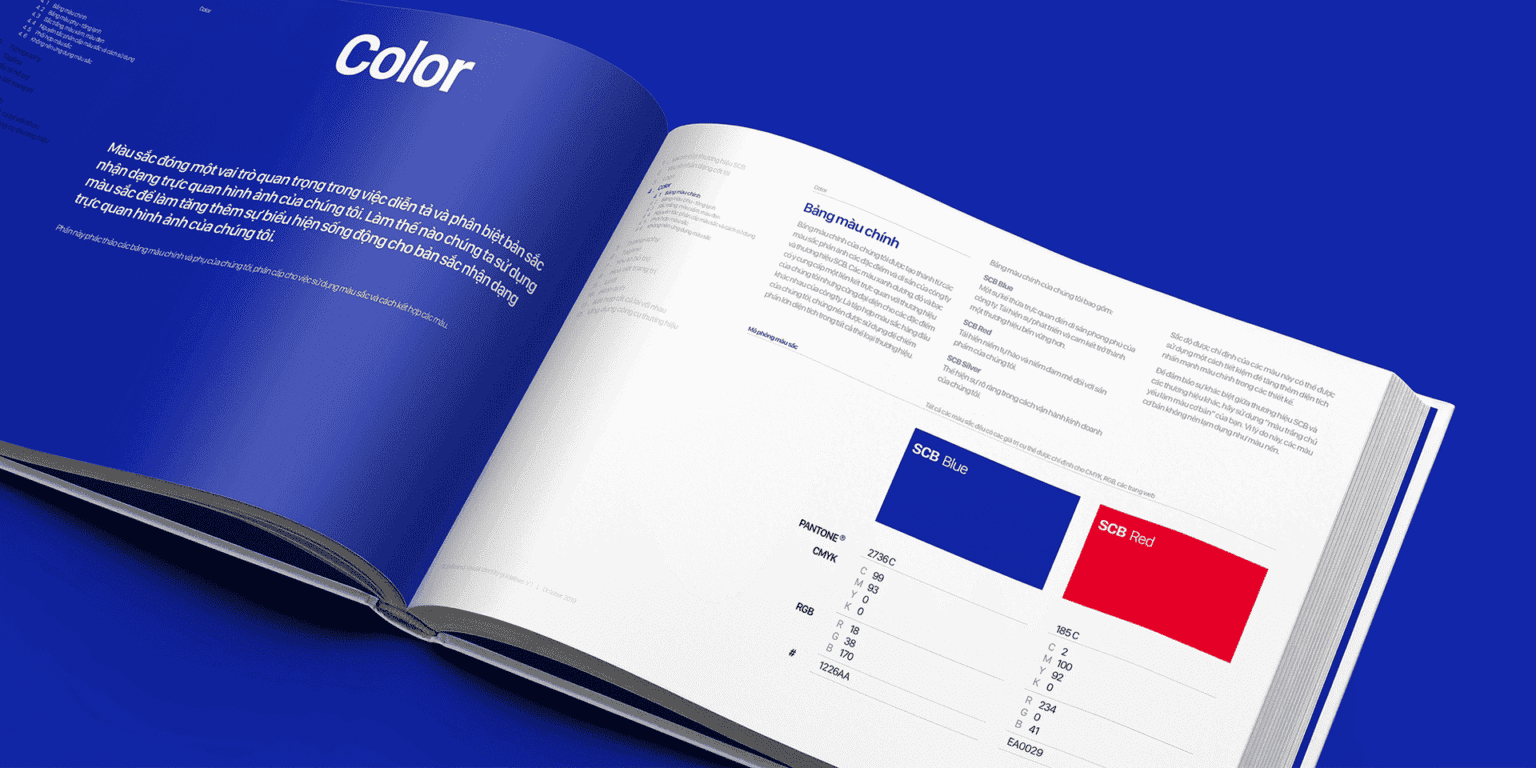
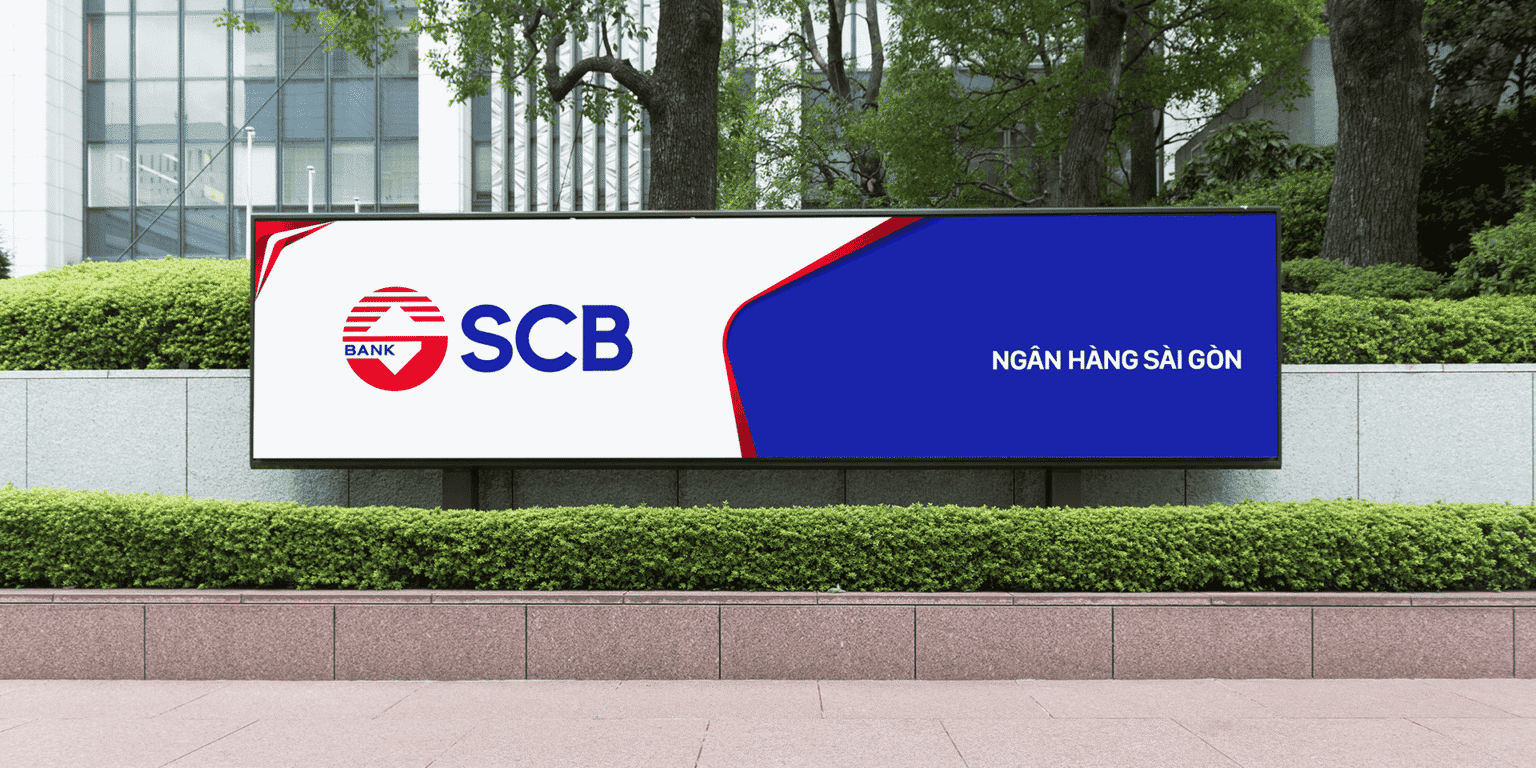
The company had set its sights on modern retail and a younger customer base, but the market still knew SCB mainly as a bank with high deposit rates that served older customers well.
How FreshBrand works
Rebranding starts with deciding what needs to change and what needs to stay, and only then with showing that choice to the market.
Where is the brand now?
We begin by putting the brand in its real context: what the business has changed, how the market is moving and where competitors stand.
What really needs to be renewed?
Through research, observation and conversation with the business, FreshBrand finds the cause that is limiting the brand and sets the matching degree of renewal. Changing less than needed will not reach the problem, while changing more than needed can throw away what the business has built over many years.
Identity renewalA new image for the standing the business already has
RepositioningA new position, and an image that follows it
Full rebrandingPositioning, name and the whole system, as when Dong Duoc 5 became FiOPharm
What do we choose?
The strategy is set through four decisions, and choosing what to keep is often as important as choosing what to change.
KeepWhat made the business succeed and needs protecting
RenewWhat no longer reflects the business
FocusWhere resources will be concentrated
GrowThe direction the brand will grow in
How does the strategy come to life?
Those choices become one coherent brand system, from the brand platform, architecture and name to identity, points of sale, content and guidelines, so that every touchpoint says the same thing.
What will actually change?
The final measure of rebranding is how the market sees the business afterward: whether the brand is recognized more accurately, trusted more and chosen more deliberately.
What the business keeps
The change only truly begins after launch day, when the new brand has to appear correctly at every touchpoint; the assets below, more or fewer depending on the degree of renewal, keep that work moving in one direction.
- A clear diagnosis of what is limiting the brand and how much renewal is needed.
- Positioning and the brand platform, set again as an anchor for later decisions.
- Decisions on brand architecture and naming, when the brand needs to be reorganized or renamed.
- An identity system, messaging and tagline that reflect the new position.
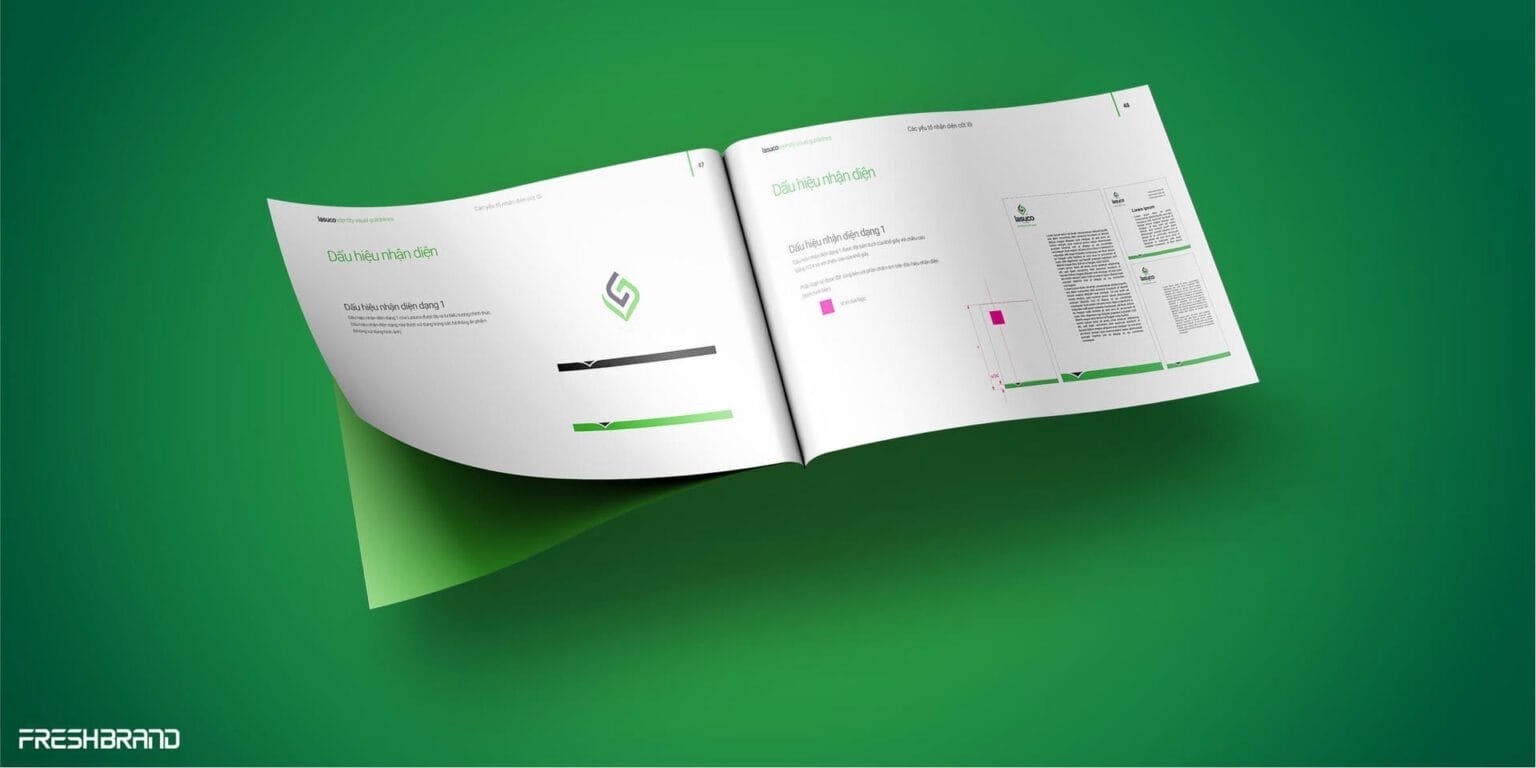
- The main touchpoints developed on the new system, along with guidelines so the business can run it consistently on its own.
Rolling out the new identity
A new brand only truly replaces the old one when it appears consistently at every touchpoint and the team talks about the business in a new way. That is why FreshBrand plans the rollout from the design stage and does not leave it until after the announcement.
- Inside first: Helps the team, dealers and distributors understand why the brand is changing before customers ask.
- A touchpoint roadmap: Audit every place that still carries the old image, then change first the touchpoints customers meet most, from signage and printed materials to packaging and digital channels.
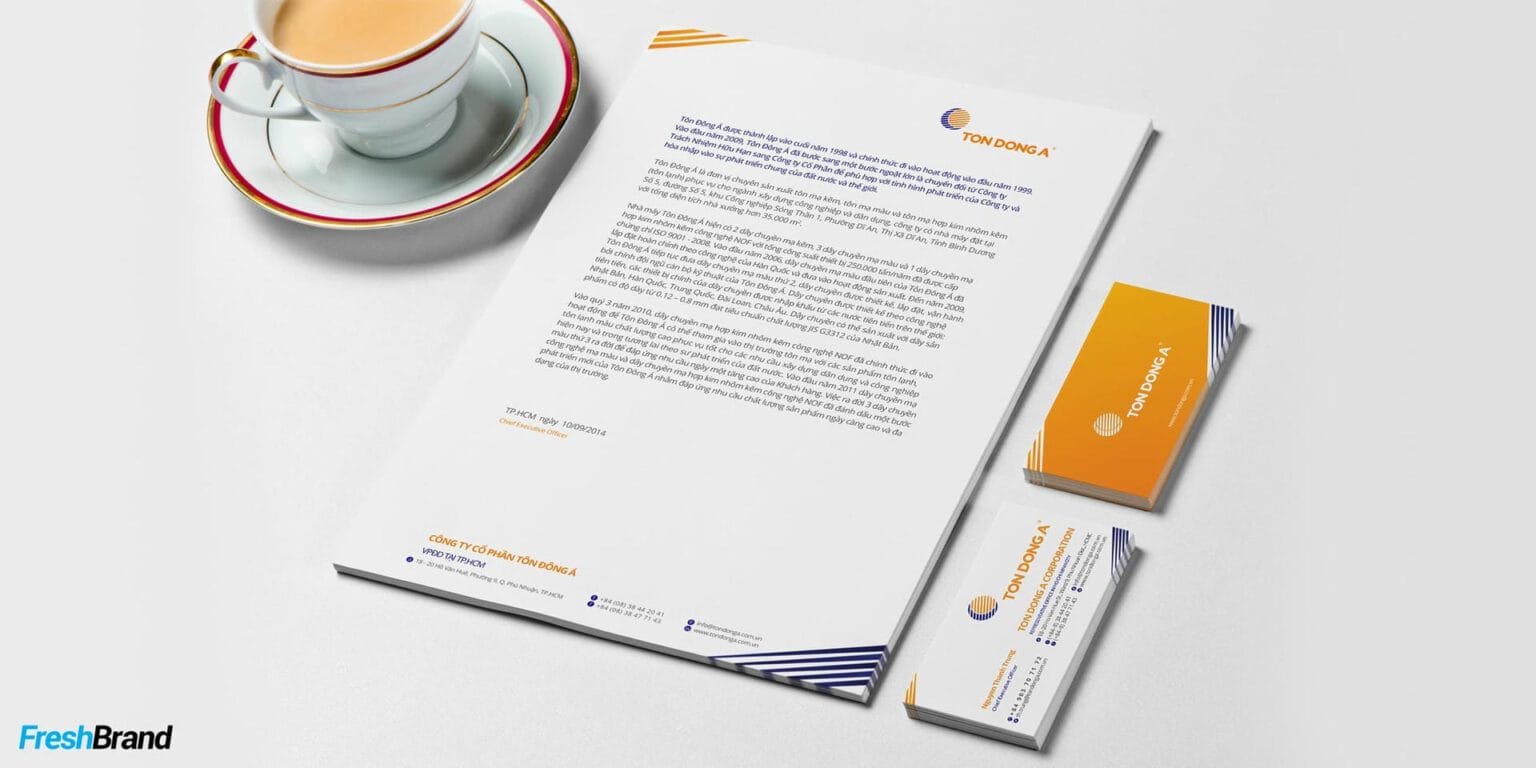
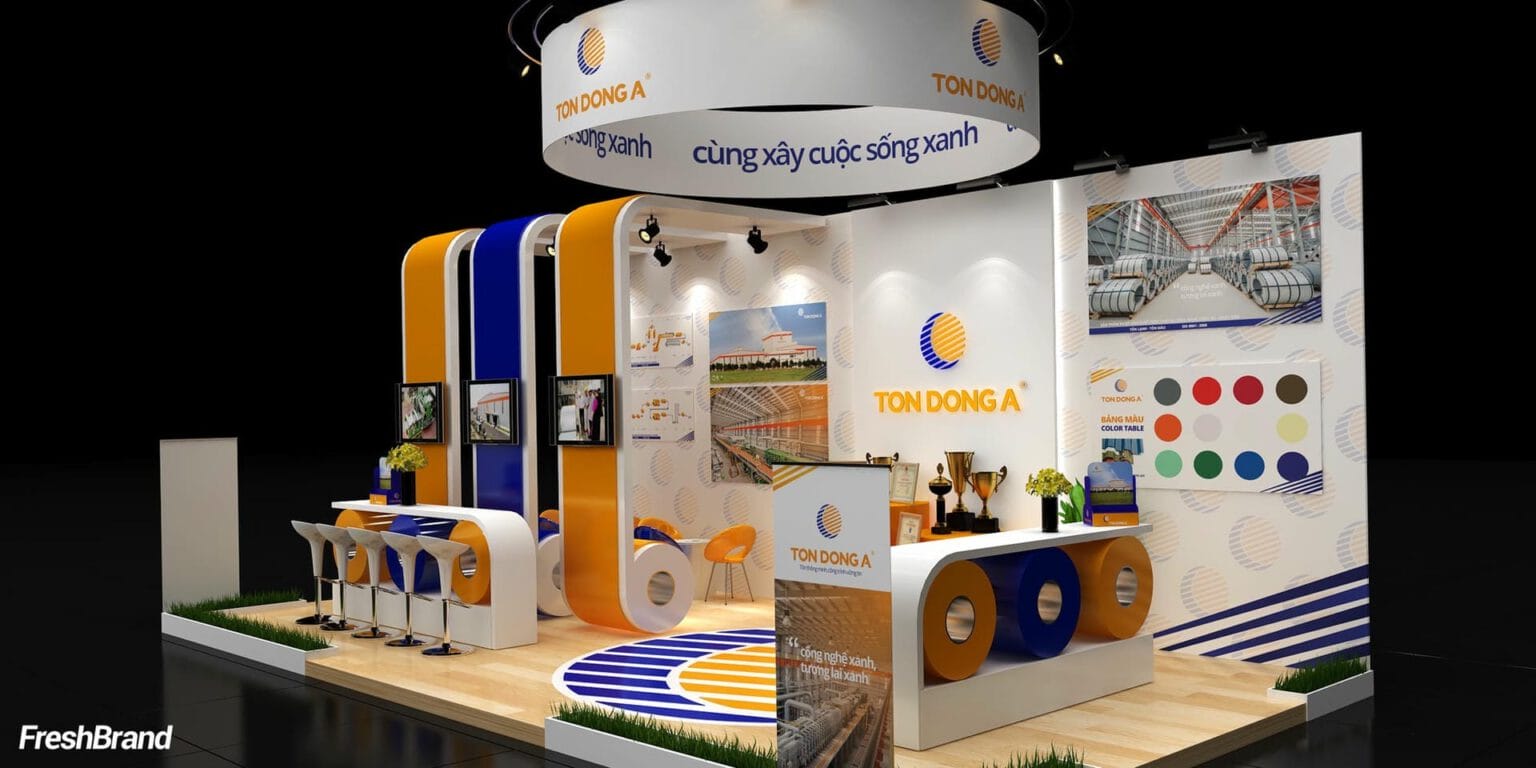
- Standards to get it right: Provides brand guidelines and master files so that every branch, dealer or contractor applies the brand the same way, as with SCB and its network of branches or Ton Dong A and its dealer shops.

Let's talk
Is your business facing a similar question? Send a request to talk with FreshBrand, or download the portfolio to see more of our work.

In practice
FiOPharmRepositioning and renaming, 2022
When long-held trust is given a new face
Before April 2022, Dong Duoc 5 Pharmaceutical Joint Stock Company had more than 40 years of making traditional Eastern medicine from natural herbs, a GMP-certified factory and nearly 100 products, including familiar names such as Sam Qui Tinh and Siro Ho. The trust built up over generations was its greatest asset, but it also kept the brand in the image of a traditional-medicine company, just as consumers began to ask for more convenient, standardized products.
“We do not replace the trust that is already there. We widen its role.”
The strategy kept the traditional-medicine roots, the natural herbs and the quality of the products, then widened the brand’s role into a natural-products brand that accompanies the health of Vietnamese people. The name FiOPharm replaced “Dong Duoc 5 Pharmaceutical Joint Stock Company”: short, open enough for the long-term direction, and then the shared umbrella for the whole portfolio. The identity, colors, symbol and language were rebuilt to join nature with trustworthiness, before moving into packaging, points of sale, the website and brand guidelines.


“Do not let the past become the limit of the very asset it created.”
The question behind it
Rebranding raises three questions: which direction will be chosen, which image the brand will be recognized by, and how that image will reach every touchpoint.
- Brand Strategy & Positioning
When a business needs to set a clear direction and the position it wants to own in customers’ minds. - Brand Identity Design
When a new position needs an identity system to match, so it can be recognized. - Brand Guidelines
When a new identity needs a set of standards to reach every touchpoint.
FreshBrand capabilities
Strategy
When a brand needs a direction
Identity
When a brand needs to be recognized
Expression
When meaning needs to take shape
Experience
When a brand needs to be felt
Communication
When a brand needs to be understood
Start with FreshBrand
Send us the problem, get a point of view.
You can send a request today, or download the portfolio to share with your leadership before we talk.